The Most Important GAP in Your Bag

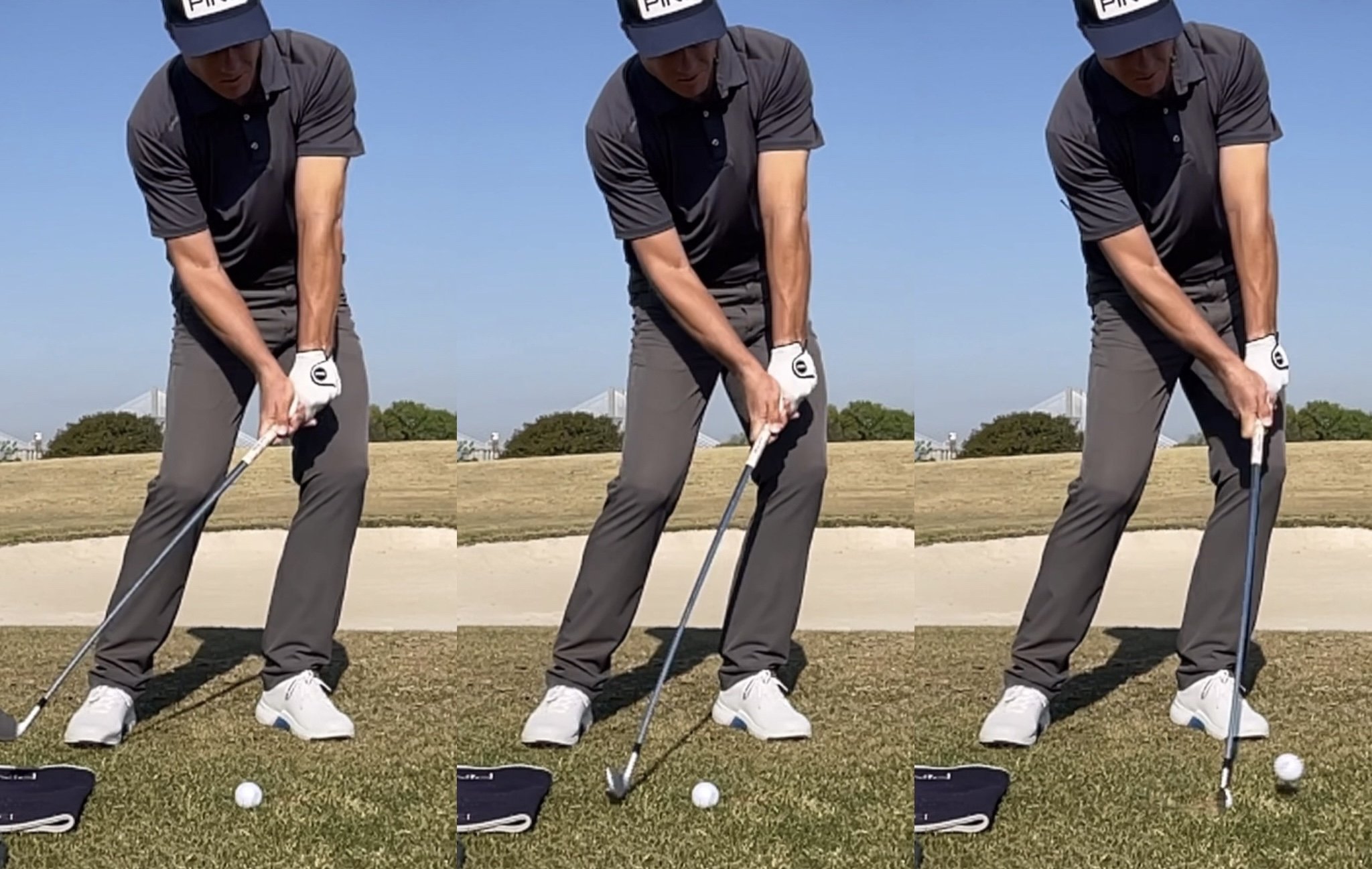
A few months ago I made a big decision: my 4-iron was fired! It just wasn’t doing the job well enough for me anymore, and I know I’m not alone in wrestling with that choice. Plenty of you tell me the same thing on the lesson tee.

Today I want to share exactly how I went about filling that critical gap and what you should be looking for in your own bag.

In my setup, the 5-iron is now my longest iron. It carries the ball a solid, predictable distance. The club that follows it needs to deliver 8 to 12 yards more carry – but here’s the really important part – with the right trajectory.

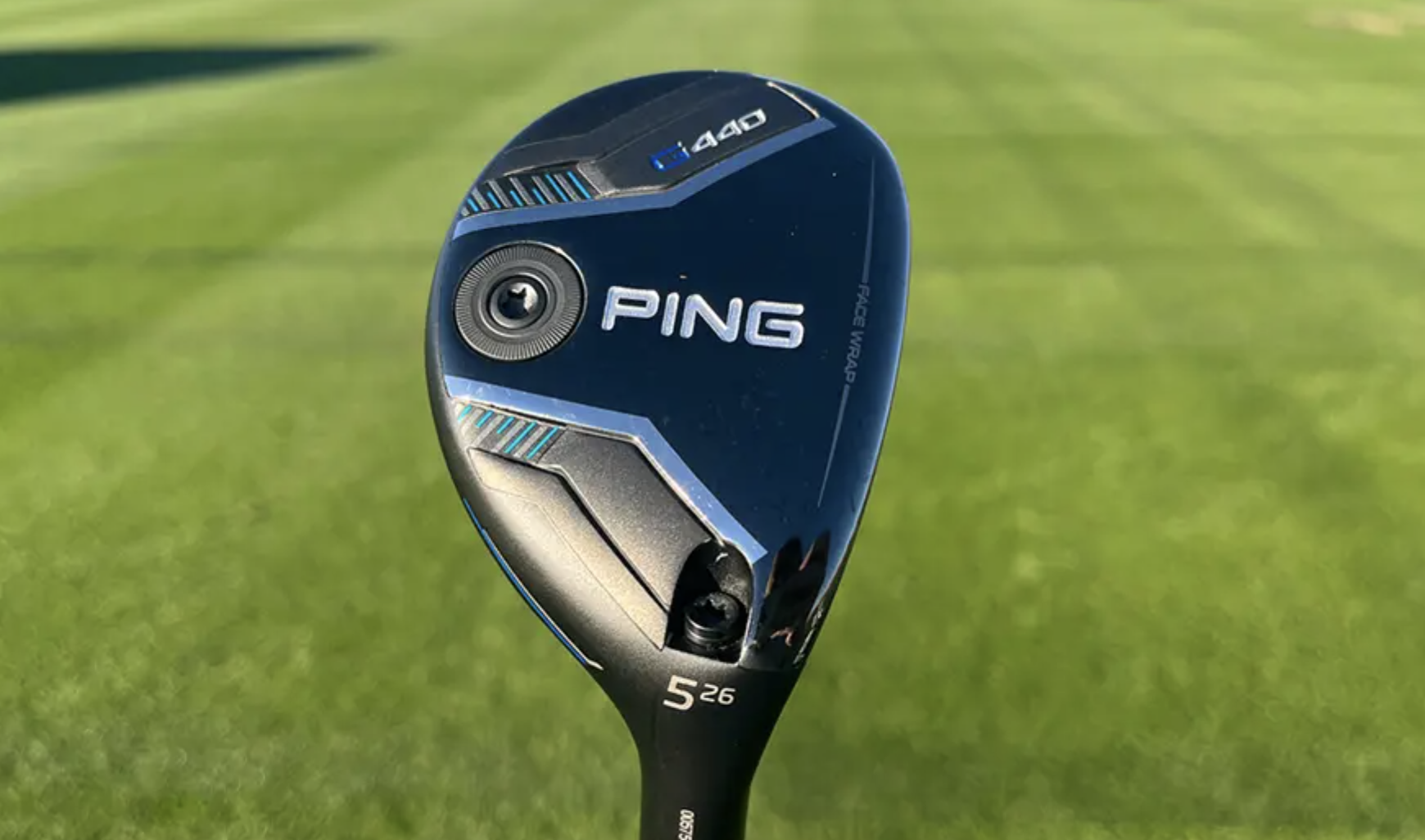
I spent time testing 9-woods, 7-woods, different hybrids, and various lofts and settings. The winner for me turned out to be my new PING G440 5-hybrid set at a standard 26°. It gives me right around 10 extra yards of carry (195 total) with a beautiful, easy-to-launch flight. Getting the ball up in the air is now straightforward, something I was struggling with using the old 4-iron.

What Should You Be Looking For?

Go out to the range or the course with a specific yardage gap in mind. You’re hunting for a club that:

  • Delivers that 8–12 yard carry advantage over your longest iron

  • Produces a landing angle north of 40° (this is key for stopping power and control)

If you can check those two boxes, you’ve found a winner.

It doesn’t have to be a 5-hybrid. If your longest iron is a 6-iron, maybe a 7-wood or 9-wood is the perfect fit. The important thing is bridging that gap correctly instead of leaving a yardage hole that forces you into awkward, low-percentage shots.
Most golfers I see don’t give this enough attention. They either keep struggling with a long iron they don’t trust or jump straight into a hybrid/wood that flies too low or too far and creates overlap with the next club. Get this one right and your bag flows much more naturally from iron to hybrid/wood territory.

I’m absolutely loving my new 5-hybrid right now – it’s doing a fabulous job and has made the game more enjoyable on those longer approach shots. If you’ve been wrestling with the same decision, I hope this gives you a clear game plan.

Go test some options with your yardage and trajectory goals in mind. You’ll be glad you did.

Thanks for reading, and as always, I hope this helps you play better and enjoy the game even more.

Andrew Rice


My Thoughts on Arccos

Just so we’re on the same page, I want to make it clear that I am currently an Arccos Ambassador. I signed on at the behest of my friends at Ping and after using it for 11 rounds and learning what it can do for all golfers, I’m very excited! But I want you to decide, so here are the details….

My first experience using the system was in January as we kicked off our excursion to South Africa and then in February when we headed to Australia. During both trips I played 11 rounds of golf and used Arccos Caddie for each adventure out on the links. If you look carefully in the photograph from Royal Melbourne below you’ll see the very tiny sensor embedded into the grip of my club…

Royal5.jpg

I must say the first few rounds took a little getting used to. I had to make sure that I had downloaded the course I was playing and keep the phone in my front left pocket - no problem there, but I noticed that there were some challenges with tracking putts as there were often times where I didn’t hole out (yes, casual holiday golf) or it would register 3 putts where I had only had 2. By the time I got to Australia I realized this could be rectified post round and I eventually got to a point where I wouldn’t even take my phone out of my pocket. Initially it also felt strange knowing that every shot was being tracked, however a few holes into the first round and I was off to the races.

So what did it do for me? And more importantly what can it do for you? Let’s get some background on Arccos first. They currently have 300K users, they’ve captured data on 3.8M rounds (that’s over 200M shots), have been used in 194 countries and the average user lowers their score by 4.2 strokes. It’s amazing how having a better understanding of your games’ strengths and weaknesses can improve your practice and on-course decision making! Here’s some of the data the system makes available to you…

Screen Shot 2020-03-09 at 3.41.07 PM.png

I have a visual representation of every hole I played along with “Tour” style statistics from each round. This is a screenshot from the 8th hole at Barnbougle Dunes in Tasmania that shows my scorecard and driving distance on each of the holes. In the image below you’ll see every gory detail from every tee shot I hit on the trips…

Screen Shot 2020-03-09 at 3.33.25 PM.png

The 50 yard tee shot was a top off the 18th tee box at Metropolitan GC in Melbourne and the 160 yard shot was a 3-wood that rolled back towards me down a massive dune at St. Andrew’s Beach on the Mornington Peninsula. The image below shows all my approach shots for the 11 rounds between 75 and 240 yards…

Screen Shot 2020-03-09 at 3.35.48 PM.png

For me the statistics spoke loud and clear. I need to get longer and better off the tee box along with making significant upgrades to my chipping and pitching. As a result, I have adjusted my upcoming practice sessions accordingly so that I might turn weaknesses into strengths. The important thing is accurately quantifying which areas you’re weak in so that you might begin to practice more effectively. The image below shows my score for the last five rounds played along with a strokes gained analysis of each part of my game for the round…

Screen Shot 2020-03-09 at 3.39.01 PM.png

There were so many neat little things I learned about my game…

  • I hit my driver, 3-wood and hybrid more often than all my irons combined

  • I have a definite tendency to miss approach shots to the left

  • The total distances for each club are surprisingly accurate based off the TrackMan carry knowledge I have for each of my clubs

  • I clearly need to work on my club speed

Another cool feature is the ability to “follow” golfers. As a coach I now have the ability to evaluate every round my students play and can give them a well-informed assessment of their performance. That being said if any of you would like to follow me please do so via the Arccos App - just remember I’m a golf professional and not a professional golfer! This system is powerful. It’s so much more than I ever imagined it would be and I know that, as both a player and a coach, there is much that I can learn from this data. I hope you will too.

To learn more about Arccos and what it can do for your game please visit Arccos Academy to better understand what the system can do for your game.